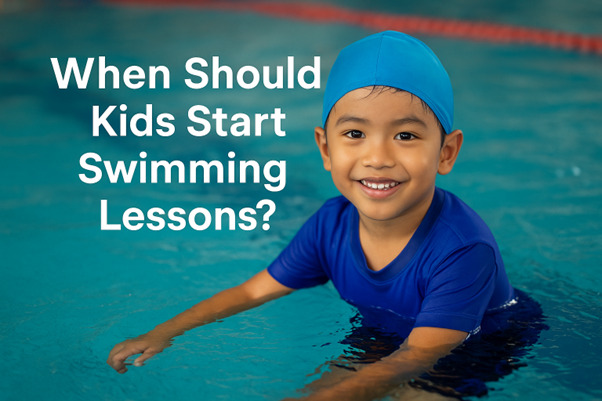
When Should Kids Start Swimming Lessons? A Guide for Singaporean Parents
Swimming is more than just a fun weekend activity in Singapore—it’s a vital life skill. With our island surrounded by water and recreational pools in nearly every estate, teaching your child to swim is as important as learning to ride a bike or cross the road safely.
But the big question many parents face is: When is the right time to start?
Let’s dive into this topic with expert guidance, real facts, and practical advice for parents who want their children to be confident and safe in the water.
Expert Advice on the Best Age to Start Swimming Lessons
As a swimming coach, one of the most common questions I get asked is, “What’s the best age to start swimming lessons?”
According to medical and aquatic experts, children can begin swimming lessons from as young as 1 year old. This recommendation is supported by evidence showing that early exposure to water helps lower the risk of drowning.
At this stage, lessons are designed to build comfort and water safety—not stroke techniques. Children aged 1–4 who take swimming lessons develop early survival skills, such as floating, kicking, and holding the wall—crucial in emergencies.
By age 4, most children are ready to begin learning actual swimming strokes. Their motor skills are more developed, and they can follow structured instructions, making lessons more effective.
Remember, it’s not about pushing your child early—it’s about introducing water in a safe, progressive way.
How to Tell If Your Child Is Ready for Swimming Lessons
Age is one factor, but readiness is more than just numbers on a calendar.
Children develop at different rates, and it’s essential to recognise signs that they’re physically, emotionally, and mentally prepared.
1. Shows Interest in Water
If your child enjoys bathtime, loves splashing in pools, or shows excitement around beaches, it’s a great sign.
That comfort around water can help them transition smoothly into a swimming class environment.
2. Follows Basic Instructions
Swimming lessons often involve simple commands like “kick your legs” or “hold the side”.
If your child can listen and respond to basic directions at home or school, they’re likely ready to participate in a structured class.
3. Comfortable Away From Parents
Some swim programmes require short periods of separation between parent and child, especially from age 3 onwards.
If your child can manage being away from you during playgroups or preschool, they’ll cope better in class.
4. Potty-Trained for Group Lessons
This isn’t just about hygiene—it’s also a sign of maturity. Being potty-trained usually indicates that a child can manage group learning environments with more independence.
What to Expect at Different Ages
Swimming lessons are not one-size-fits-all. Each age group has its own learning pace, goals, and class structure.
Toddlers (1–3 years old)
At this age, lessons focus on water familiarisation.
Children are introduced to basic movements like floating, blowing bubbles, and kicking. These classes are often conducted with a parent in the water for support.
Fun is at the core of learning. Songs, toys, and gentle encouragement help children become confident in the water without fear.
Preschoolers (3–5 years old)
Children in this group begin learning foundational techniques such as gliding, arm movements, and breathing control.
While still play-based, lessons become more structured. Kids develop water confidence and learn safety habits like holding the pool edge and returning to the wall.
Preschoolers also gain social skills through small group sessions, building teamwork and trust with peers and instructors.
School-Age Children (6 years and above)
By this age, children are ready for formal stroke development.
They are introduced to freestyle, backstroke, breaststroke, and even butterfly basics. Lessons often include drills to build stamina, coordination, and timing.
Many kids at this stage also work toward SwimSafer certification, a structured programme recognised across Singapore that focuses on swimming proficiency and safety awareness.
Some children may even show interest in diving techniques or beginner-level competition.
Key Things to Consider Before Enrolling
Before signing your child up for lessons, here are a few important considerations to ensure a positive and safe experience.
Readiness Over Age
Don’t rush just because your neighbour’s child started earlier. Assess your child’s comfort and developmental cues first.
Choose a Qualified Instructor
Look for certified swim coaches with experience in early childhood instruction. The ability to connect with young swimmers is just as important as technical skills.
Class Size and Environment
A smaller student-to-instructor ratio allows for personalised attention. A calm, clean, and child-friendly environment supports confidence-building.
Frequency of Lessons
For beginners, one to two sessions per week is ideal. Consistency is key to progress. Too many gaps between lessons can slow down learning.
Conclusion
Starting swimming lessons is one of the best gifts you can give your child in Singapore.
While age is a helpful guideline, your child’s readiness, comfort, and interest are what matter most. Whether your little one is just splashing in the bathtub or gliding confidently across the pool, every step builds essential skills.
The goal isn’t just to swim—it’s to be safe, strong, and confident in water.
Make that first splash count.
FAQs About Kids’ Swimming Lessons
1. Can babies under 1 take swimming lessons?
Water play and parent-child sessions are fine for babies under 1, but structured lessons are more effective from 1 year onwards. Always ensure the environment is safe and supervised.
2. How long does it take for a child to learn to swim?
On average, a child may take 6–12 months of regular weekly lessons to become water-confident and swim independently. Progress depends on age, consistency, and individual readiness.
3. What should my child bring to swimming lessons?
Pack a snug-fitting swimsuit, goggles, towel, and a swim cap. If your child has long hair, tying it up helps keep it out of their eyes during class.